


Unsure how to install a dishwasher and worried about getting it wrong? Dishwasher fitting is a surprisingly straightforward DIY job. It requires little equipment or preparation. So long as you connect all the pipes properly and accurately level the machine, you may find it quite easy.
How to Prepare for a Dishwasher Fitting
Before you can install your dishwasher, you will need to gather a few pieces of equipment and do a couple of checks.
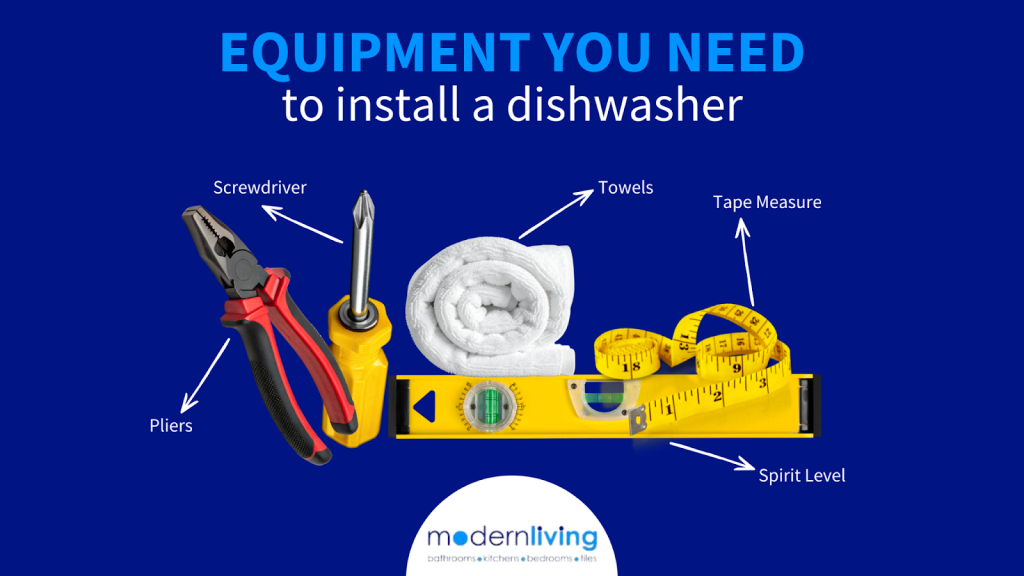
What Tools do I Need to Install a Dishwasher?
Pliers – Pliers are a powerful tool for tight hoses and loose clips.
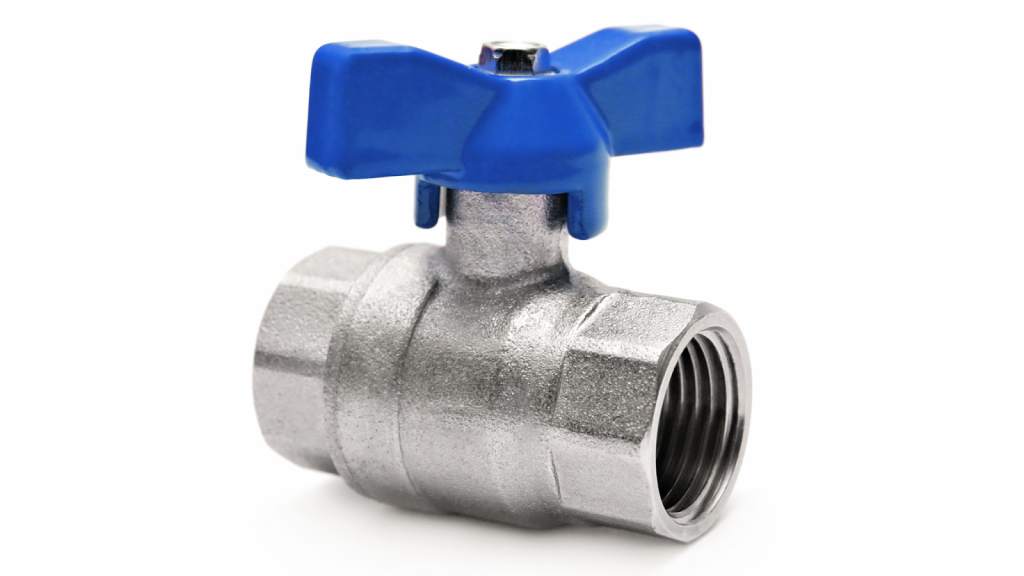
If your old dishwasher has been there for a while, you may struggle to release its blue plastic handle. This “handle” is the cold-water isolation valve. It handles turning off the water supply. It is common for this valve to get stuck over time. Fortunately, pliers can do all the heavy lifting for you.
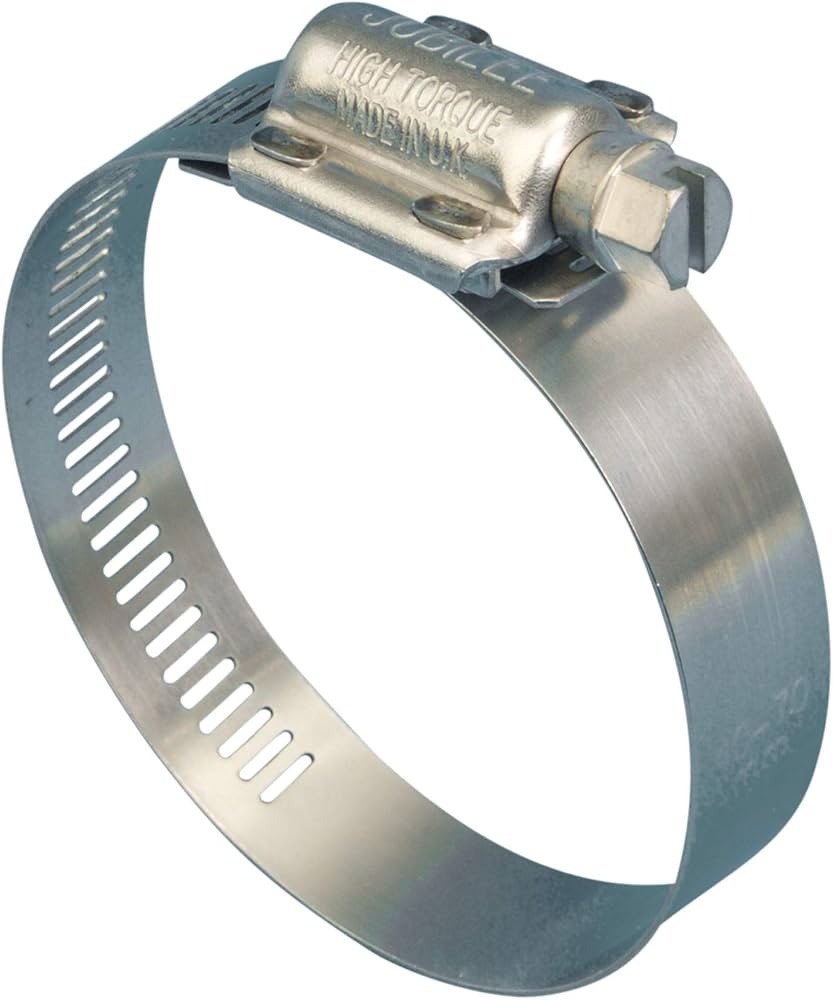
Pliers are also effective for tightening loose jubilee clips. This part is the metal ring that attaches your waste hose to the sink pipe. The clip prevents the hose from spraying dirty water everywhere.
If you do not have pliers, an adjustable spanner is a suitable alternative. So long as the tool is stronger than your hands, it will do the job! However, be careful not to over-tighten it, as it can crush the pipe.
Screwdriver – The screwdriver is the staple of every DIY project. To install:
- A freestanding dishwasher, your screwdriver will screw it to your kitchen units.
- An integrated model, your screwdriver will connect the mounting brackets and door panels.
Ensure you have multiple sizes of screw heads to hand. Different materials may necessitate thicker or thinner screws.
Spirit Level – Have you ever purchased a new dishwasher and noticed it was loud and leaked from the start? There is a good chance that it was not level. Tilting causes uneven pressure, which builds up as the water does in the machine. Eventually, this causes slow, mysterious leaks. By using a spirit level, you ensure your dishwasher is stable and works properly.

Towels – Even when you cut off the water supply, you will find about half a cup’s worth of residual water in the pipes. This water will flow out the moment you detach the hoses. So, be prepared with a stack of old towels or a shallow bucket.
The longer you allow water to rest on your floorboards and cabinets, the more water they will absorb. This action can permanently damage your materials through swelling.
Tape Measure – Before you connect your dishwasher to the mains, measure the space one last time. If your pipes or plug sockets sit behind the machine, they may prevent you from pushing it all the way back. If this is the case, you may need a narrower dishwasher. You wouldn’t want cabinets slamming into the dishwasher every time you open them!
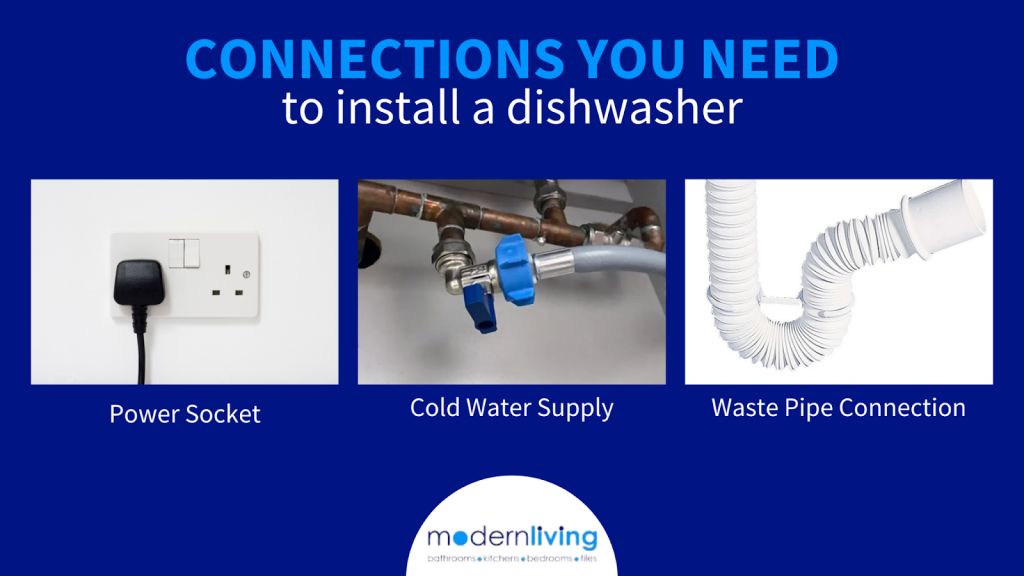
What Connections do I Need for a Dishwasher?
To install a dishwasher, you need a power socket, a cold water supply, and a waste pipe connection.
How to Safely Power a Dishwasher
- Do not plug a dishwasher into the same socket as another high-head appliance. Doing so can significantly overload the circuit.
- Plug the dishwasher directly into the wall; do not use an extension lead. Extension leads can not handle the power demands of a dishwasher. So, you risk overheating and melting the cable, which can lead to a fire.
Step by Step Guide to Installing a Dishwasher
- Unpacking
Remove the dishwasher and its parts from the packaging (and clear the drum).
Ensure you have received all the parts depicted in the manual before beginning the installation. If you have not, contact your supplier as soon as possible to arrange part delivery or return.
2. Disconnect Your Old Dishwasher
Turn the power off at the circuit breaker and shut off the water supply valve (located under your sink).
If you notice pooling water behind your dishwasher, allow the area to dry thoroughly before installing your new dishwasher. Your old model may have had an undetected leak, which causes a safety issue.
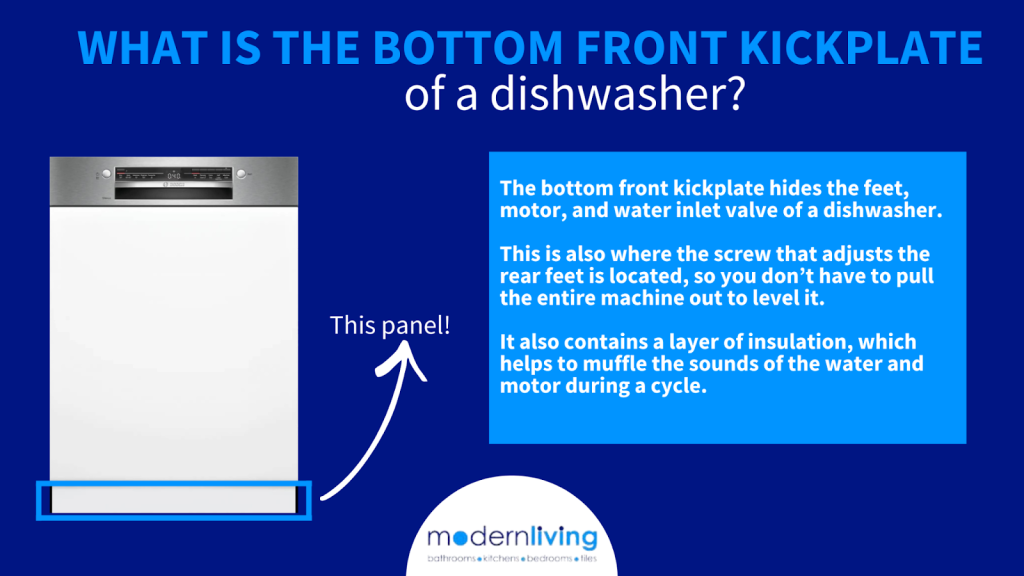
Remove the bottom front kickplate using a screwdriver.
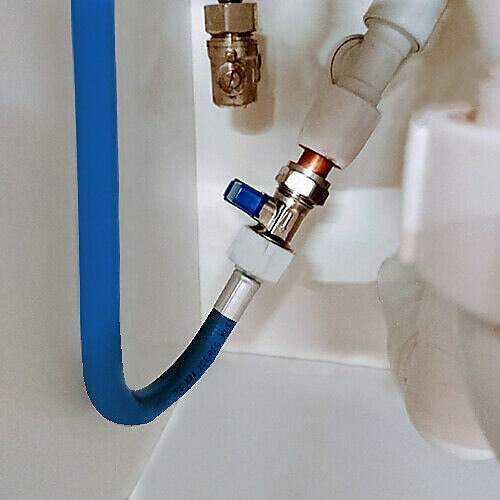
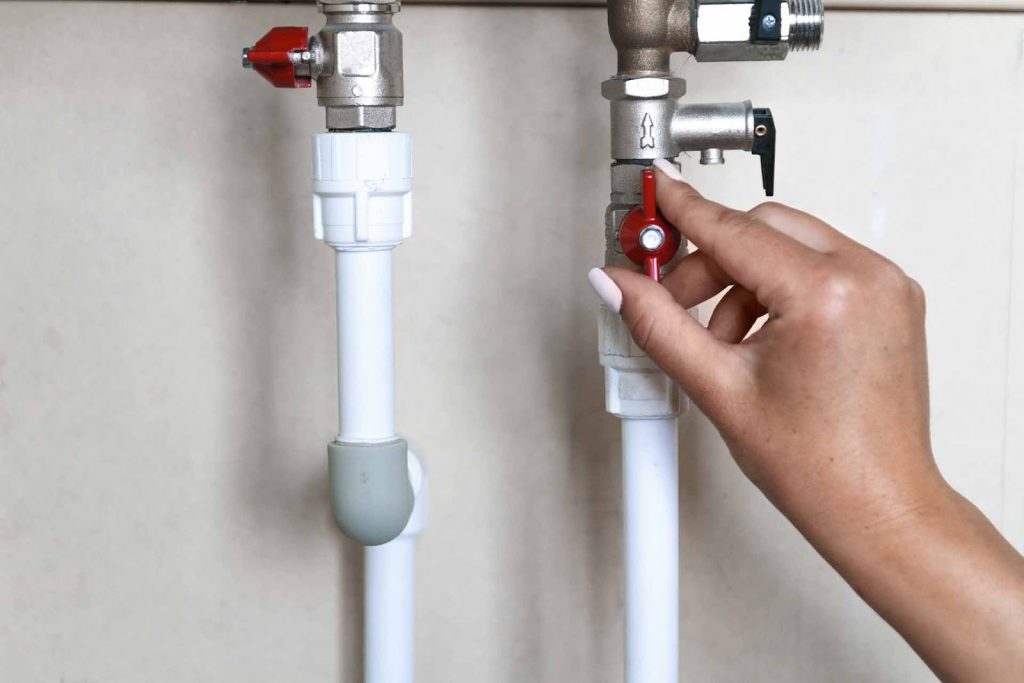
Locate the cold-water isolation valve. This component is usually a small pipe with a blue plastic lever. Turn it 90 degrees so it is perpendicular to the pipe to turn the water off. You will also use this same valve for your new dishwasher.
Place old towels or a shallow tray below the water valve, supply line and drain hose to catch residual water.
Unfasten the unit from your countertop or side cabinets by removing the screws.
Gently pull the dishwasher forward while feeding the water line, drain hose, and power cord through the hole in the cabinet.
3. Connect the Water Supply to Your New Dishwasher
Gently screw the threaded end of the dishwasher’s inlet hose into the cold-water isolation valve.
You must do this step carefully, or else you risk crushing the rubber washer.
Hand-tightening is usually enough to secure these parts together. But if you are struggling, you can use pliers.
4. Connect the Waste Pipe
Locate the spigot on your sink plumbing.
The spigot is a small plastic or metal nozzle which protrudes from the side of your sink’s waste pipe. It looks like a short, barbed, or threaded nozzle.
If you are installing a new plumbing system, ensure there is no plastic blanking plug inside the spigot. This component will prevent your dishwasher from draining. As a result, your kitchen will flood.
The best way to determine if the blanking plug is still in the spigot is to prod it with a screwdriver. If it goes all the way through, it is not there. If it hits a solid wall, you need to remove it.
Pull the grey waste pipe hose as high as possible under the worktop, using the U-bend bracket to help secure it. Most machines include this part. So you can fit it immediately.
The U-bend design ensures that dirty sink water does not flow backwards into the dishwasher. This is a common problem with flat-to-the-floor pipes.
Push the grey waste pipe hose onto the spigot and secure it with a metal jubilee clip. This clip will keep the hose during high-pressure drain cycles.
Some jubilee clips are sufficiently hand-tightened, but you may need a flat-head screwdriver to secure them properly.
5. Level the Machine
To level your dishwasher, place a spirit level on top of the door.
Adjust the feet by screwing them clockwise or counterclockwise. In many modern dishwasher models, there is a screw for adjusting the rear feet at the bottom front kickplate.
Keep adjusting until the bubble in the spirit level is central.
6. Power and Test
Now that the dishwasher is level and the area is water-free, plug the machine into the socket.
Turn on the water valve.
Don’t push the machine all the way into the countertop cavity.
Run a short rinse cycle and watch carefully to ensure there are no leaks or dampness.
7. Install a Foil Moisture Strip on the Underside of Your Worktop
Many modern dishwashers come with a foil moisture strip, which shields your countertops from steam damage.
Simply stick the foil strip to the underside of your worktop.

8. Place
If you have delicate flooring, placing a small amount of washing-up liquid on the front feet can help the dishwasher slide into the cavity, rather than drag.
Gently push the dishwasher into the countertop cavity.
Feed the power cable through the cabinet hole as you push it through. If the plug gets caught, the dishwasher will stick out from the cabinet.
Be careful not to crush the pipes with the back of the dishwasher. Doing so will stop the flow of water.
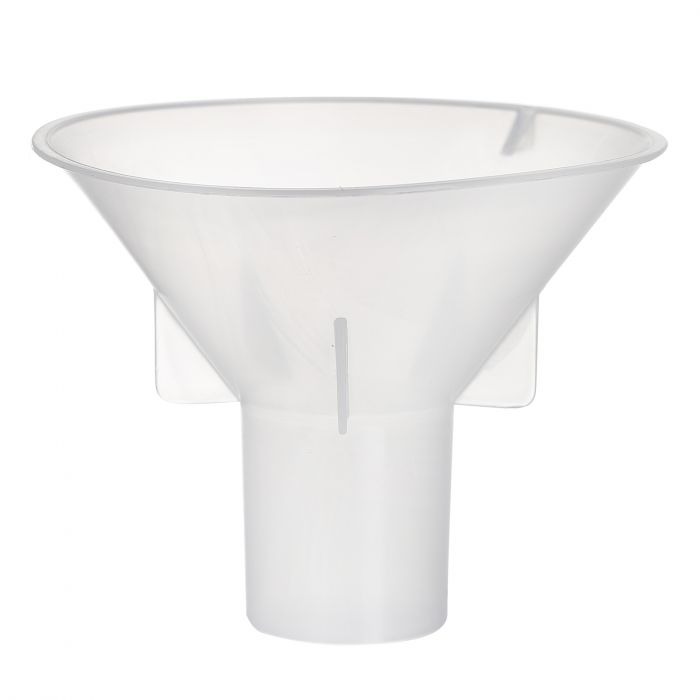
9. Keep the Plastic Funnel!
You may have noticed a plastic funnel with your dishwasher parts. Don’t throw it away!
You need this funnel to fill the salt reservoir before the first wash.
For those living in areas with hard water, a salt reservoir is essential to soften the water and prevent limescale buildup. This function also boosts cleaning performance and stops cloudy residue buildup.
When using the funnel for the first time, pour about a litre of water into the salt reservoir before adding the salt. This ensures the softening system works correctly from day one.
Considering Purchasing a New Dishwasher?
If you are considering purchasing a new dishwasher, review our selection at Modern Living Direct . We stock a range of modern dishwashers at affordable prices from a variety of top-name brands. From free-standing to integrated and available in a range of sizes, we will have the model you are looking for.
Visit our showroom to see your new dishwasher in-person, before you buy. Our sales team are happy to assess your requirements and help you find the perfect dishwasher for your space.
We are a family business with over 40 years in the industry, so you can rest assured that we’ll do everything to ensure you are well taken care of. With premium, palletised, two-person delivery, we’ll handle everything. Alternatively, you can collect your item in-store at your convenience.
Consider Modern Living Direct as your supplier of new dishwashers today.