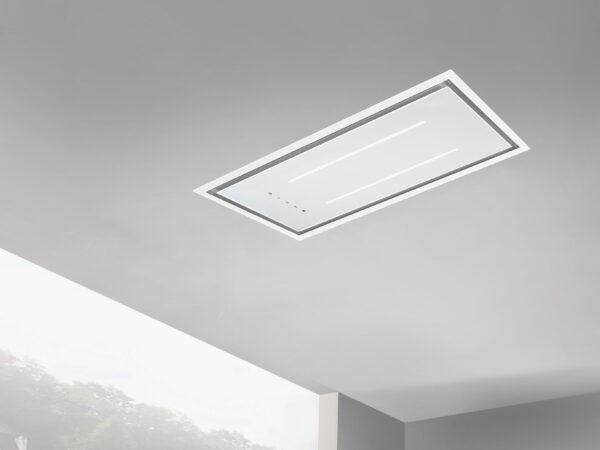


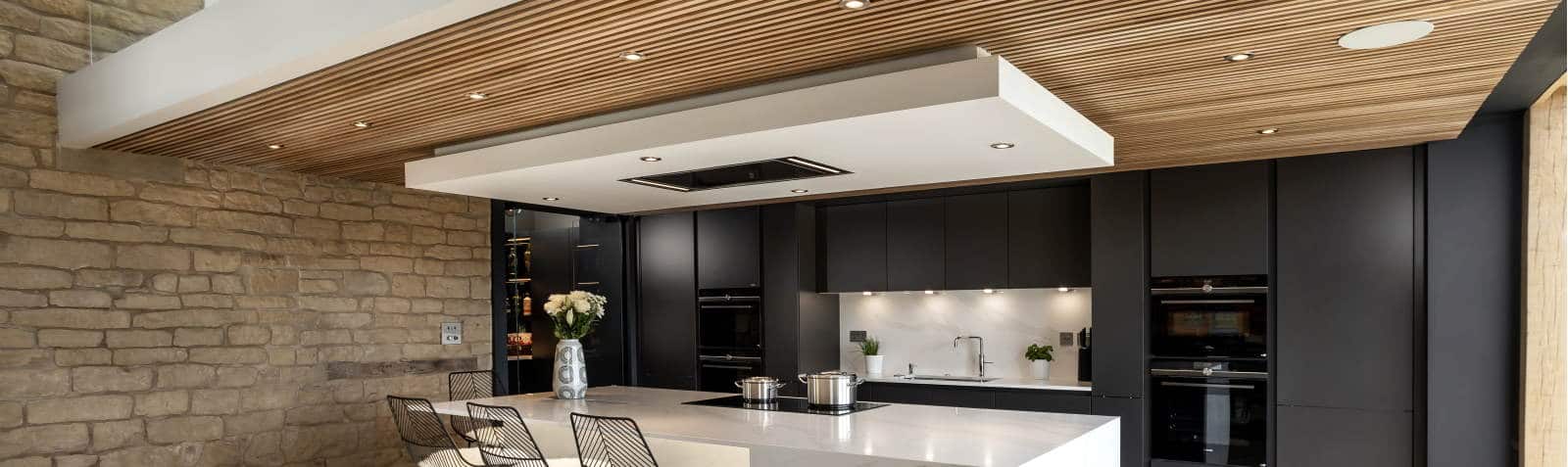
Maximise kitchen space with our sleek, high-performance ceiling cooker hoods. These flush-fit extractor fans suit open-plan living by design and match every installation requirement, delivering powerful kitchen ventilation without compromising style.
Perfect for removing steam, smoke and cooking odours. While classic cooker hoods are a stylish kitchen feature, the ceiling hood alternative keeps your ceiling line clean and uncluttered.


Browse By Brand






Best Sellers
Some of our best selling ceiling cooker hoods.

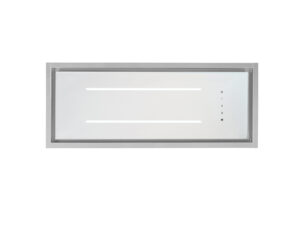


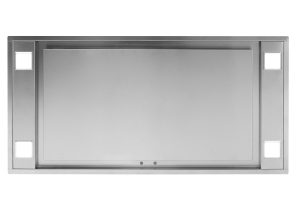

Ceiling Hoods Sale
Quick, catch our sale below.

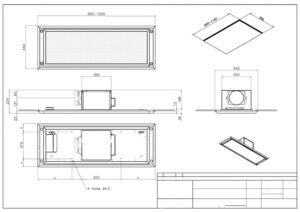


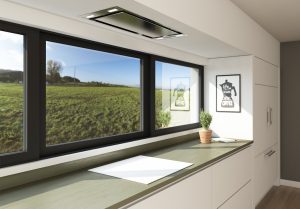

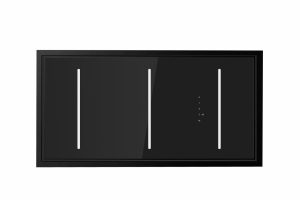

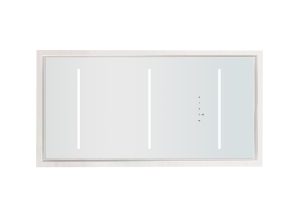
Ceiling Extractor Hoods
Ceiling extractor hoods are the ultimate solution for clean, uninterrupted kitchen design. Ideal for open-plan layouts or kitchens with islands, they provide powerful extraction from above without bulky units or visual clutter.
Modern Living Direct offers a selection of high-spec ceiling extractor fans designed to remove steam, grease and odours efficiently – while staying hidden in plain sight.
Key features include:
- Flush-fit installation for a seamless ceiling line
- Powerful ducted or recirculating ventilation options
- Integrated LED lighting to brighten your cooking area
- Smart controls and multiple speed settings
- Quiet operation, ideal for sociable kitchen spaces
Whether you’re after minimalist style or practical performance, our ceiling cooker hoods deliver discreet elegance with no compromise on air quality.
What Do I Need to Know Before Purchasing a Ceiling-Mounted Cooker Hood?
Before you purchase a ceiling-mounted cooker hood, there are several things you must consider before putting money on the table. Some of the biggest mistakes made when buying a ceiling-mounted cooker hood include:
- Forgetting the restrictions of particular models and their resulting suitability for your kitchen (eg, lack of facilities for ducting or minimal ceiling cavity space to house a recirculation model).
- Miscalculating your required extraction efficiency.
- Misunderstanding the benefits and disadvantages of various types of ceiling-mounted cooker hoods (eg. Volume, installation expenses, extraction capacity, and maintenance demands.
Fortunately, you will find all this information and more in our Complete Ceiling Cooker Hood Buying Guide. This guide will help you make an informed decision about the most suitable cooker hood for your kitchen. So, read our buying guide and contact us with any further questions.
Ceiling Cooker Hoods FAQs
See down below for some of the most frequently asked questions about ceiling cooker hoods.
-
What is the Difference Between Ceiling Cooker Hoods and Island Cooker Hoods?
Ceiling cooker hoods are discreetly integrated into the ceiling, and island cooker hoods are a statement piece which hangs down over the hob. Whereas the casing and hood canopy of an island cooker hood visually dominate the space, all working components of a ceiling cooker hood (except for the plate) are hidden. The design of a ceiling cooker hood is more attuned to the minimalist aesthetic of open-plan kitchens, requiring less complex installation processes. In contrast, island hoods are a focal point which necessitate more involvement to fit.
Choosing between an island or ceiling cooker hood falls to design preference, the ceiling’s height, and installation flexibility.
-
Do Ceiling Cooker Hoods Need to be Ducted Outside?
Not all ceiling cooker hoods need to be ducted outside. Some models have convertible external ducting and recirculation functionality, while others offer only ducted or recirculation functionality. If you prioritise extraction power over all else, ducted ceiling cooker hoods are recommended. However, their size and requirement for direct outdoor access can incur installation limitations. They must be placed as close to an external wall as possible, to keep their ducting short and straight, which preserves their extraction power. Conversely, a recirculated ceiling cooker hood offers placement flexibility, as it does not require outdoor access, and only needs a comparatively smaller area for its working components.
-
How Powerful Should a Ceiling Cooker Hood be for My Kitchen Size?
Your ceiling cooker hood should be able to achieve around 10 air exchanges per hour, to remove grease, steam, smoke and odours effectively. To calculate the extraction rate your ceiling cooker hood needs, you first need to determine the volume of your kitchen.
To calculate the volume of your kitchen, measure its total length, width and height. Then, use the calculation: length x width x height, to determine the volume of your kitchen in m³. Then, because you are aiming for 10 air exchanges, multiply the volume of your kitchen by 10. This will give you the minimum extraction rate your new ceiling cooker hood must have in m³/h. For example, if your kitchen measures 5 m × 3 m × 2.5 m, its volume is 37.5 m³. 37.5 × 10 = 375 m³/hr, so a hood with a rated extraction of around 400 m³/hr or higher would be suitable.
If you cook regularly with aromatic ingredients, consider purchasing a ceiling cooker hood with a higher extraction rate than the minimum you have calculated. This will ensure the air is removed from the kitchen before it stagnates and smells begin to linger.
-
Are Ceiling Cooker Hoods Noisy?
High-quality ceiling cooker hood models run at under 70dB on their booster setting, which is roughly equivalent to that of a standard vacuum cleaner. Some modern options include features such as Motor Silence Plus R800GP, which means they are powerful but comparatively very quiet to standard models. Ceiling cooker hoods are inherently quieter than most alternative hoods, as their working components are housed within the ceiling cavity. This provides a natural muffling effect, significantly reducing the noise pollution in the kitchen. Lastly, some models include an external motor, which is not connected to the main machine and produces minimal noise levels, aside from the sound of air being drawn in to the grease filter.
-
How do I Clean and Maintain a Ceiling Cooker Hood?
To maintain a ceiling cooker hood, regularly clean the metal grease and charcoal (in recirculating models only) filters and wipe the exterior with gentle chemicals. Cleaning your ceiling cooker hood frequently is the best way to ensure it meets its expected lifespan.
- The metal grease filters of a ducted ceiling cooker hood are usually dishwasher safe, and only require a soak in soapy water if they aren’t.
- Depending on how frequently you cook, a charcoal filter in a recirculating model will need to be replaced every 3 to 6 months.
- Regardless of the material your ceiling cooker hood’s casing is made of, wipe it down with only mild, non-abrasive cleaners.
-
What Factors Affect Ceiling Cooker Hood Installation?
The kitchen must have an available power source in the vicinity of the area where the cooker hood will be installed. The ducting (if using) must be as short and straight as possible to keep airflow undisturbed and optimal. Lastly, consider the placement of your ceiling joists to avoid interfering with them when installing your ceiling cooker hood.
-
Are Ceiling Cooker Hoods Energy Efficient?
Many modern ceiling cooker hoods have an Energy Efficiency Rating of A or above. This information will be displayed in the product description of the specific model, and is awarded as such due to a combination of automatic functions, LED lighting and efficient components. Ducted ceiling cooker hoods are usually more energy efficient because they use smooth-bored ducting, which requires less energy to push air through. Recirculated models also have the potential to reach a high energy efficiency rating. However, they inherently require additional energy because the charcoal filters create resistance.