


The most durable kitchen sink is 304 stainless steel. It is budget-friendly, will not chip or crack and boasts a typical lifespan of 15 to 30 years. However, every kitchen sink has its pros and cons that may influence your purchasing decision. One customer’s measure of durability may be scratch resistance, another’s may be its susceptibility to denting. Ultimately, the most durable kitchen sink is one you can maintain adequately and treat appropriately based on its needs.
A Top-Level Comparison of the Durability of Different Kitchen Sink Materials
| Material | Impact Resistance | Scratch Resistance | Heat Resistance | Maintenance |
| Stainless Steel | Excellent (does not chip) | Low (highly susceptible to scratches) | Excellent (will not warp or crack under boiling water) | Moderate |
| Composite | Moderate (it can crack under high pressure) | Excellent | Moderate | Very Low |
| Ceramic | Moderate (the material struggles to absorb heavy shock) | Highly resistant (great for everyday use) | Excellent | Very Low |
As you can see, there are multiple factors to consider when purchasing a durable kitchen sink. Although stainless steel sinks have a high impact resistance, they require more maintenance. That is, compared to a composite sink that offers slightly lower durability, but requires comparatively little maintenance.
So, which is the most ideal for your kitchen?
What Else Should You Consider When Choosing the Most Durable Kitchen Sink?
Durability is not only about strength. The right sink must also suit your cooking habits, cleaning routine and kitchen layout. That is why practical buying considerations matter just as much as the material itself.
- Bowl Size: Larger bowls make washing trays, pans and oven dishes much easier. Smaller bowls suit compact kitchens and apartments better. If you regularly cook for a family, a deeper and wider bowl will save time and reduce mess.
- Bowl Depth: Deep bowls reduce splashback and hold more dishes comfortably. However, extremely deep sinks can become uncomfortable during long washing sessions. A medium-depth sink often delivers the best balance between practicality and comfort.
- Single Bowl vs 1.5 Bowl vs Double Bowl:
- Single bowl sinks maximise washing space. They are ideal for larger cookware and busy kitchens.
- 1.5 bowl sinks offer greater flexibility. You can rinse vegetables while soaking dishes separately. They are one of the most practical options for modern households.
- Double bowl sinks suit heavy kitchen use. They make multitasking easier, especially in larger family kitchens. However, they require more worktop space.
- Single Drainer vs Double Drainer: A single drainer sink saves space and suits minimalist kitchens well. Double drainer designs provide additional drying space for busy households. They are especially useful if you regularly hand-wash dishes.
- Reversible Sink Designs: Many stainless steel and composite sinks feature reversible designs. This allows you to position the drainer on either side. It gives you greater installation flexibility during kitchen renovations.
Are Stainless Steel Sinks Durable?
Stainless steel sinks are structurally invincible. They will not crack, chip or shatter. But since stainless steel is a soft metal, it will quickly develop a patina. The patina consists of scratches and water spots that can make a stainless steel sink look duller within 6 to 12 months of daily use. But the good news is that you can polish a stainless steel sink, which is where its moderate maintenance rating comes from.
Why are Stainless Steel Sinks Durable?
Stainless steel makes for durable kitchen sinks because they are strong enough to withstand impact, non-porous and they resist thermal shock.
Impact Resistance
A cast-iron Dutch oven is unlikely to break a stainless steel sink if dropped. While the impact may potentially leave minor dents or marks, it would not typically compromise the sink’s structural integrity.
Thermal Shock Resistance
Stainless steel sinks are designed to withstand significant temperature changes during normal kitchen use. Exposure to boiling water or ice is unlikely to cause damage, as the material naturally expands and contracts with temperature shifts.
No Porosity
Stainless steel is considered the most durable kitchen sink because it does not retain dirt and stains. It will not absorb wine or coffee stains and bacteria have nowhere to bury.
Which Sink Material is Easiest to Clean?
Stainless steel and composite are both easy to clean, but they behave differently.
304 stainless steel sinks are non-porous and hygienic. Food residue and bacteria cannot penetrate the surface. Daily cleaning usually requires nothing more than warm water and mild soap. Composite sinks resist staining exceptionally well. Their matte finish also hides fingerprints and water spots effectively.
For households wanting low visual maintenance, composite often wins. For households prioritising hygiene and resilience, stainless steel remains the strongest choice.
Do I Have to Polish My Stainless Steel Sink?
If you want your stainless steel to continue sparkling, you must polish it. Doing so is a relatively DIY-friendly task that you can do easily with the right tools. For best results, you should aim to polish your stainless steel sink every 3-4 weeks to seal the surface against limescale and prevent water spots.
How Do I Polish a Stainless Steel Sink?
To polish a stainless steel sink, you will need:
- Warm, soapy water
- A sponge (do not use steel wool or wire brushes, these can cause rusting)
- A creamy cleaner
- A dry microfiber cloth
- White vinegar
- A small amount of olive/baby/mineral oil
- High-grit *1000/2000, wet/dry sandpaper (only for deep scratches).
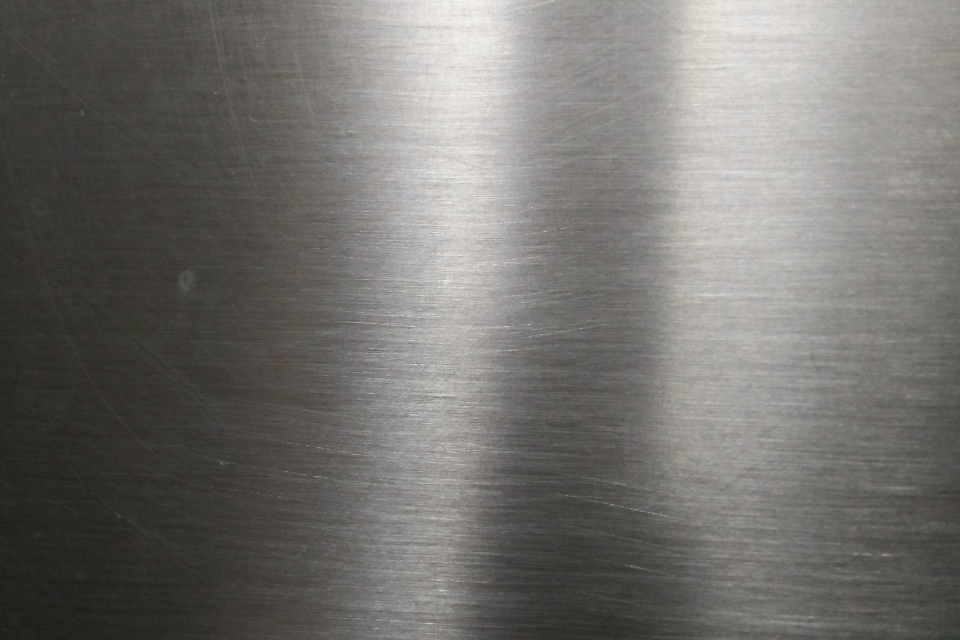
First, deep-clean your sink of grease and grime using soapy water and a sponge. The warm water will lift these from the sink. For deeper stains and dirt, apply cream cleaner to your sponge and scrub in small circular motions. You must do this in the direction of the steel’s brushed grain to avoid creating more scratches.
For water spots, mix equal parts water and vinegar in a bowl and use your sponge to buff them out. The vinegar will break down the mineral deposits in the water marks.
For deep scratches, use your high-grit sandpaper and gently rub with the grain.
Once the dirt and the stains are tackled, use a microfibre cloth to apply a small amount of mineral oil across the surface of the sink. This step will create a protective, glossy coating.
Avoid: steel wool and wire brushes as they shed microscopic metal fragments during scrubbing. These fragile, unprotected iron particles embed themselves into the surface of your cookware or sink. When exposed to ambient moisture and oxygen, these tiny, highly reactive specks rapidly oxidise and rust.
Why 304 Stainless Steel is the Best All-Round Choice
When comparing kitchen sink materials, 304 stainless steel offers the best balance overall. It delivers exceptional impact resistance. It handles boiling water without cracking. It also resists rust and corrosion for decades.
Unlike ceramic or stone alternatives, 304 stainless steel absorbs impact without structural failure. That makes it ideal for high-use kitchens. It also provides excellent value for money. A quality stainless steel sink lasts for years without requiring specialist maintenance.
If you want the most durable kitchen sink for long-term daily use, stainless steel remains the safest investment.
When to Choose a Stainless Steel Kitchen Sink
If you are a busy household on a budget, the exceptional durability of a stainless steel kitchen sink is right for you. They are great for high-use kitchens, require little maintenance and enable various installation methods to fit right into your kitchen.
Are Composite Sinks Durable?
Composite creates incredibly durable kitchen sinks. Made of approximately 80% crushed stone and 20% high-grade acrylic resin, they tackle the weaknesses of stone and metal sinks. They are moulded under intense pressure, so they are incredibly dense and uniform. This manufacturing process creates a kitchen sink that will not scratch, does not absorb stains and does not fade in direct sunlight.
However, because they are so rigid, they are susceptible to thermal shock. This phenomenon occurs because the material does not expand and contract during sudden temperature changes, unlike stainless steel, for example. So, when a large pot of boiling water is placed on a very cold composite sink, it might crack. But it isn’t the stone that cracks, it is the acrylic resin.
A similar effect can occur under heavy impact. While composite kitchen sinks are exceptionally durable, taking care with very heavy cookware or sharp impacts will help maintain their appearance over time. Minor chips are uncommon, but to ensure they never occur, you can:
- Avoid dropping heavy pots, pans or cast-iron cookware directly into the sink
- Use a sink mat or protective grid for extra cushioning
- Lower heavy items gently rather than placing them down forcefully
- Avoid striking the edges or corners with hard kitchen tools
- Rinse away grit or debris regularly to prevent surface scratching
When to Choose a Composite Kitchen Sink
Composite sinks offer a modern, matte aesthetic that hides chips, is easy to clean and is highly resistant to scratches and stains. They are the lowest-maintenance kitchen sink material available and they are perfect for busy households.
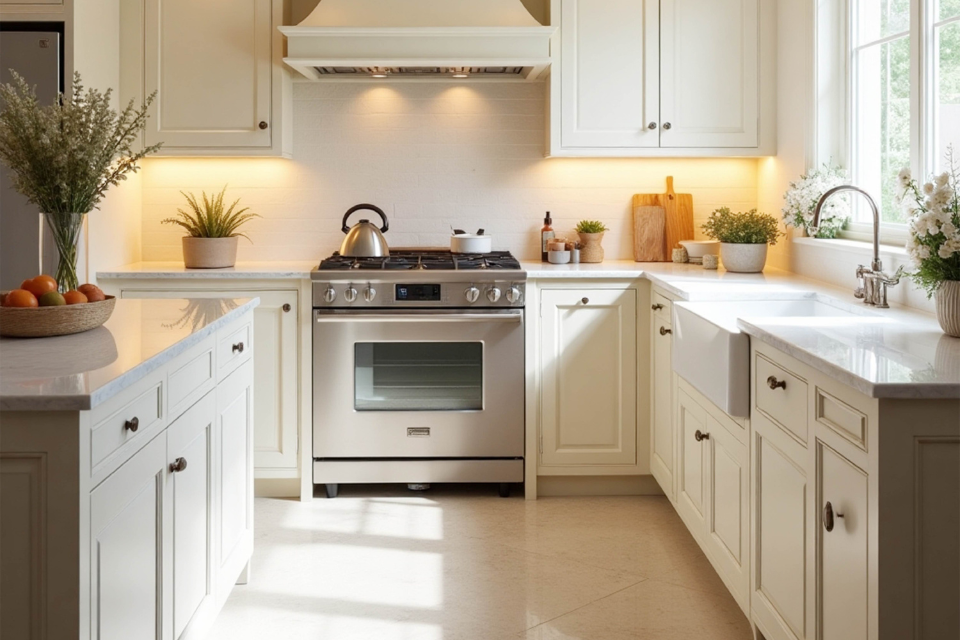
Which Kitchen Sink Materials Offer the Best Scratch Resistance?
Scratch resistance matters if you want your sink to maintain its appearance long-term.
- Composite: density and hardness (Mohs scale 6-7) prevent daily-use scratches. However, this does not mean they are scratch-proof. Cleaning with harsh scouring pads or abrasive solutions can damage the finish, cause colour fading and fine scratches. So, you should only use gentle, non-abrasive cleaners (soapy water mild disinfectant) and soft sponges to clean your composite sink.
- Ceramic: offers excellent surface hardness, which helps resist scratches from everyday kitchen use. The glazed finish maintains its appearance well over time and is less likely to show light marks. However, using abrasive cleaning products or dragging heavy cookware across the surface can dull the finish, so gentle cleaning methods are recommended to preserve its appearance.
- Stainless steel: remains the better all-round performer for active kitchens. While scratches develop naturally, the sink itself rarely suffers structural damage. Many homeowners prefer this trade-off for long-term reliability.
Need a Durable Kitchen Sink Supplier?
Modern Living Direct is a trusted, Bradford-based supplier of durable kitchen sinks and home appliances. With over 40 years of experience in homeware trading, we know how to find the best deals on the best furnishings. We stock from dozens of renowned brands, including Hotpoint, Bosch and ViandPro and offer a premium courier delivery service, nationwide.
Browse our product selection online or visit our showroom to see our range for yourself. Our experts are on hand to answer any questions you may have and point you in the direction of the most suitable products for your needs.