


A stone resin shower tray is more durable in the long term and of higher quality than acrylic alternatives. Stone resin is a premium product, so it needs professional installation. But an acrylic shower tray is best for the budget and is easier to install. They need no expert involvement. So, which is best?
There are many factors to consider when choosing the best shower tray material. However, your final choice will depend on:
- Your cost limitations.
- The look you want to achieve.
- The maintenance you are willing to do.
In this article, we cover every aspect of stone resin and acrylic shower trays to help you make an informed decision.
Stone Resin VS. Acrylic Shower Trays: Durability
Why are Stone Resin Shower Trays Durable?
Manufacturers use crushed natural stone and polymer resin for genuine stone-resin shower trays. Many opt for marble and quartz because of their natural hardness over softer stone varieties. The resin is a durable binding agent which cements the stone particles together. This binding turns loose stones into a rigid, solid structure. Once cured, a stone resin shower tray will not flex, crack, smash on impact or warp. Resin is not affected by temperature fluctuations and does not absorb water, making it a perfect material for bathroom environments.
Are Acrylic Shower Trays Less Durable Than Stone Resin Products?
Acrylic shower trays are generally less durable than stone resin shower trays. They are a lightweight shell, lacking the characteristics needed to match in hardness and longevity. Acrylic shower trays are made from low-density sheets of reinforced plastic, making them inherently more vulnerable to physical damage.
Acrylic shower trays are susceptible to flexing when stood on, which can strain the sealant surrounding them. When the sealant fails, water can seep through, leading to dampness and mould issues. They scratch easily, can chip or dent, and discolour over time. They are a cost-effective, practical solution with a shorter lifespan than a long-term stone resin investment.


Ease of Installation – Are Acrylic or Stone Resin Shower Trays Better?
How to Install a Stone Resin Shower Tray
A stone resin shower tray requires professional installation, as its long-term stability depends on a solid base support. Stone resin shower trays are inherently very heavy, making them difficult to work with. The installation process involves:
- A floor inspection – This may reveal structural or levelling issues that make installation more difficult.
- Marking the waste pipes and perimeters – To determine where the shower tray can actually fit.
- Checking for joists and pipes before cutting a waste hole – Guarantees no clashing with pipework.
- Preparing the mortar and adhesive.
- Installing the waste assembly, placing the tray, level-checking and securing the tray to the floor.
- Connecting the plumbing, testing the water, and sealing the shower tray with the surrounding walls.
Although simplified here, this is an intensive process that you can not take lightly. An acrylic shower tray is ideal if you plan to install it yourself.
Is Installing an Acrylic Shower Tray Easy?
Installing an acrylic shower tray is easier than fitting stone resin products. It is important to note that there are two types of acrylic shower tray: low-profile and raised. Low-profile shower trays must be fully embedded in a mortar or adhesive base, and raised trays use adjustable feet for support and plumbing access.
Raised shower trays usually come with a kit and step-by-step installation instructions specific to the model you have purchased. Low-profile shower trays follow many of the same rules as stone resin products. But there are a few key differences to consider.
| Installation Feature | Stone Resin Shower Trays | Acrylic Shower Trays |
| Weight | Very heavy, can require two people to lift. | Lightweight, one person could easily lift and place it. |
| Base | Necessitates a full bedding of cement-based mortar and adhesive. | Full bedding is recommended but not essential. Without it, the tray may flex underfoot. |
| Levelling | Must be installed perfectly level; adjustments are impossible once the mortar has cured. | Riser kits allow levelling adjustments and can be re-levelled later. |
Cost – Stone Resin VS. Acrylic Shower Trays
Why are Stone Resin Shower Trays so Expensive?
Stone resin shower trays cost more initially due to their materials, manufacturing processes and premium value. Genuine stone resin shower trays use crushed natural stone, including marble and quartz, and polymer resins to bind the loose stones together. The binding creates a solid, dense core, which contains significantly more material by volume than acrylic trays, which are hollow and reinforced with fibreglass. Reinforced stone-resin shower trays include a thick, wear-resistant gel coat, which further increases their cost.
Stone resin shower trays undergo several manufacturing processes beyond sourcing the stone. These phases include:
- Casting – Which requires precise handling and a slow curing time to prevent bubbles.
- Finishing – Often by hand, resulting in a non-slip, premium, slate-effect, matte, or colour product.
- Quality Control – Manufacturers invest more heavily in strict quality control due to the cost of correction.
- Longevity – The higher cost reflects the product’s durability, which can extend a lifespan of 20 years.
- Aesthetic and Feel – The look of natural stone and the reassuring underfoot feel increase the price.
 |  |
| https://www.modernlivingdirect.co.uk/p/coda-25mm-anti-slip-ultra-slim-quadrant-tray-waste/ | https://www.modernlivingdirect.co.uk/p/prestige-slate-stone-slim-30mm-rectangular-shower-tray-black/ |
How Much do Acrylic Shower Trays Cost?
Acrylic shower trays cost between £60 and £200, depending on the size, features and manufacturer. They are generally more budget-friendly than stone resin shower trays.
What Features Affect the Cost of an Acrylic Shower Tray?
The price of an acrylic shower tray depends on its construction and reinforcement, size and shape, height and profile, brand, and anti-slip technology.
Thinner acrylic sheets inherently cost less than shower trays using thicker sheets, because there is less material to pay for. This same concept applies to the size, shape, complexity, height and profile.
Some manufacturers reinforce acrylic shower trays with a dense resin layer. However, others only use fibreglass or small wooden support beams.
Budget brands may use thinner materials or simpler reinforcement compared to premium manufacturers.
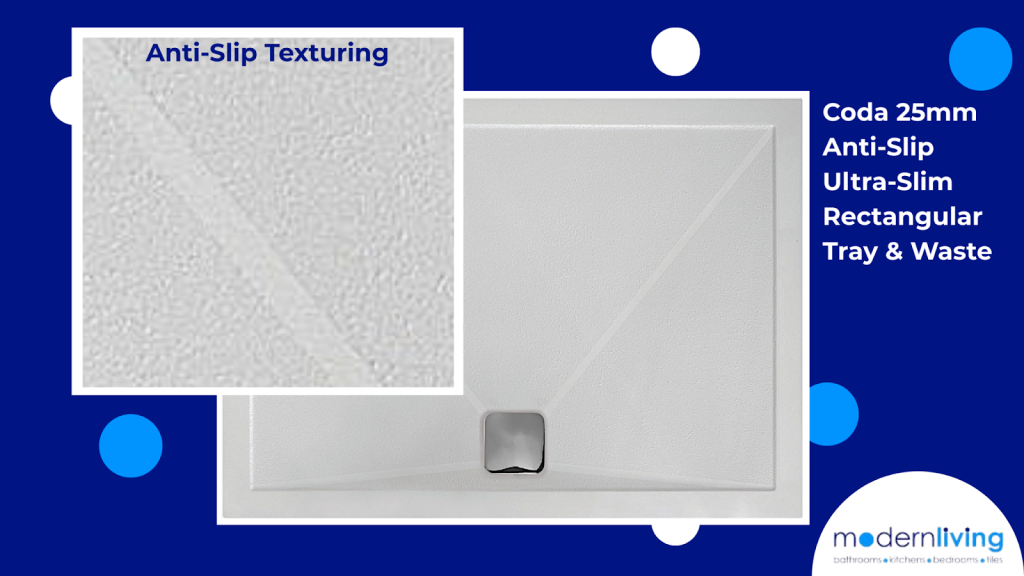
Lastly, a budget tray will likely have a smooth acrylic surface. But a higher-end acrylic tray may feature a special anti-slip coating or textured pattern for safety.
Maintenance Requirements – Stone Resin VS Acrylic Shower Tray
The maintenance requirements for acrylic and stone resin shower trays are very similar. The goal is to preserve the gel coat of your stone resin shower tray or prevent scratches on your acrylic tray. Stone resin shower trays are typically more tolerant of mild cleaners than acrylic, which is softer and more sensitive to specific chemicals, including ammonia and acetone.
How to Maintain a Stone Resin Shower Tray
- Rinse with warm water after every use to prevent the buildup of shampoo, soap and dirt.
- Turn your extractor fan on during your shower and leave it running to help the tray dry completely.
- Use warm, soapy water and a non-abrasive sponge to clean the tray weekly.
- Regularly remove and clean the waste cover to prevent the accumulation of soap, hair and limescale.
Do not use ammonia, bleach, hydrochloric acid, acidic limescale removers and DIY acidic solutions to clean your stone resin shower tray. Using these cleaners could damage the protective gel coat, cause discolouration and shorten the lifespan of your tray.
Be sure to also regularly check the silicone sealant for signs of cracking, peeling and black mould growth.
How to Maintain an Acrylic Shower Tray
- Rinse with warm water and dry using a soft squeegee or microfibre cloth.
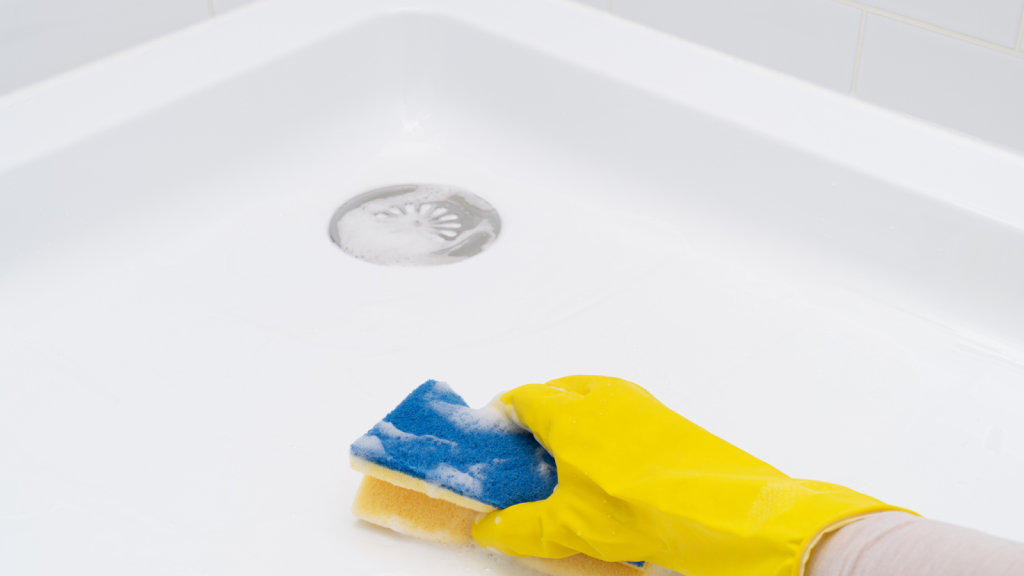
- Use mild dish soap, warm water, and a non-abrasive cleaner to cleanse the tray weekly.
- Turn your extractor fan on during your shower to help the tray dry faster.
- Regularly remove hair and debris from the waste strainer.
Do not use powdered cleaners, gritty cream cleansers, rough scrubbing pads, acetone, ammonia or bleach to clean an acrylic shower tray. For soap scum, limescale and stubborn grime, DIY solutions are suitable. Examples include white vinegar and warm water, or baking soda and warm water solutions.
Need Assistance to Make a Decision?
Modern Living UK supplies kitchen and bathroom appliances and furniture to customers across the UK. With over 40 years of experience as a family business, we have the extensive knowledge required to help you choose the best new addition for your home. You will find us at our showroom in Bedford, where our products are displayed, and our experts are on hand to help. We will listen to your requirements and point you in the right direction to the correct solution for your needs.
Visit our showroom or get in touch with us through our website to speak to a team member about your shower tray requirements. We will consider your budget, spatial limitations and your wants to find the perfect stone resin shower tray for your bathroom. We do not believe in pushy sales tactics. We will go above and beyond to ensure your total satisfaction with your new product and our services.